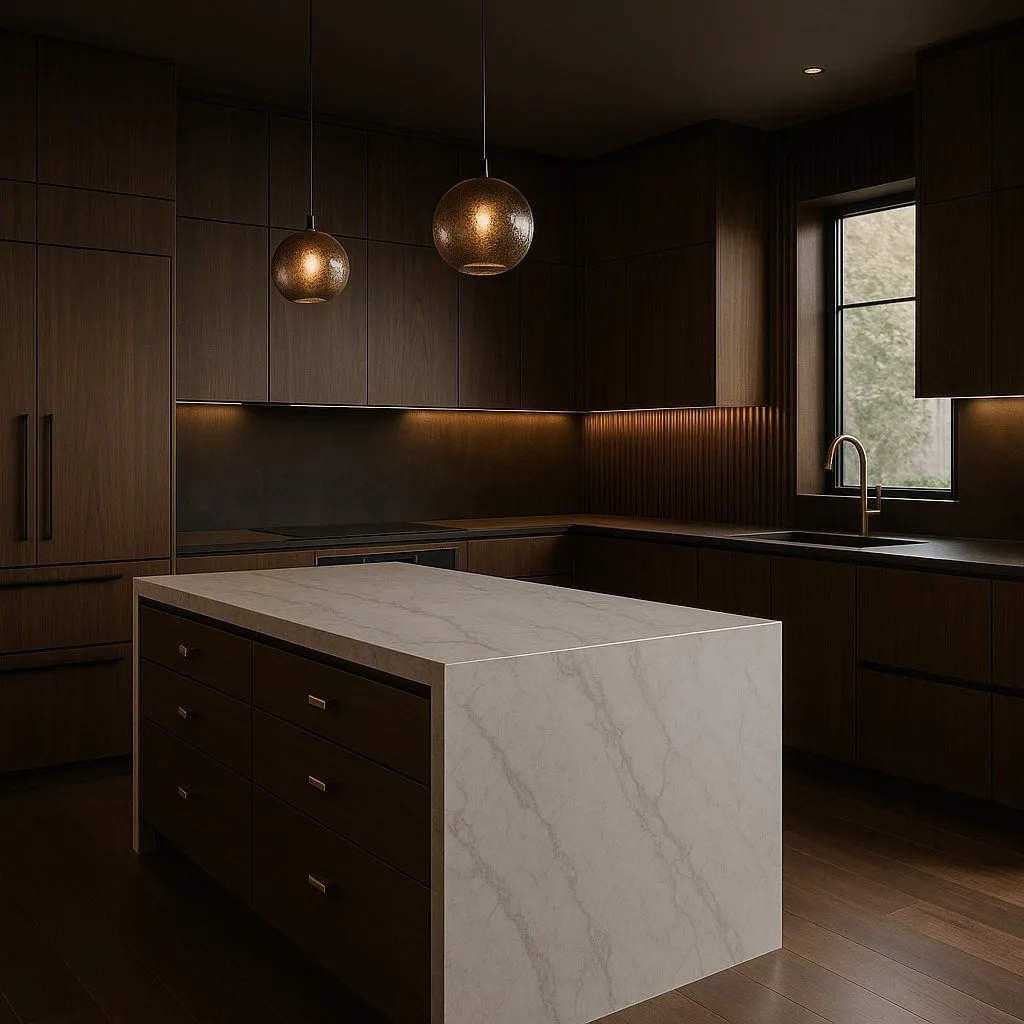
One of the most common sources of frustration in custom kitchen projects is unrealistic timeline expectations. Stock kitchen cabinets can be delivered in 2–4 weeks. Semi-custom takes 6–10 weeks. Fully custom millwork in New York City takes 12–22 weeks from signed contract to completed installation — and that doesn't account for the design phase that precedes the contract.
Understanding why custom millwork takes this long — and what happens during each phase — helps you plan your renovation timeline accurately and avoid the costly mistakes that come from scheduling conflicts between trades.
Why Custom Millwork Takes So Long
Custom millwork is made to order for your specific space. There is no inventory, no shelf stock, and no ability to accelerate production by pulling from a warehouse. Every component — every door, every drawer box, every panel — is fabricated from raw material based on your approved shop drawings.
The process involves sequential, non-compressible steps: design, approval, material procurement, fabrication, finishing, quality review, delivery, and installation. Each step has to be completed before the next can begin, and each has minimum time requirements that can't be shortened without compromising quality.
Week-by-Week Timeline
Weeks 1–3: Design and Shop Drawings. The studio visits your site, takes detailed measurements, and develops full shop drawings — typically a set of 10–20 pages showing every cabinet in plan and elevation, with all dimensions, hardware specifications, and material callouts. These drawings go back and forth with the client and designer until approved.
Weeks 3–5: Material Procurement. Once shop drawings are approved and deposit is received, material is ordered. Premium hardwoods — especially rift-sawn white oak and walnut — have variable lead times from the mill. Hardware from premium European suppliers (Blum, Grass, Valli&Valli) can take 3–6 weeks.
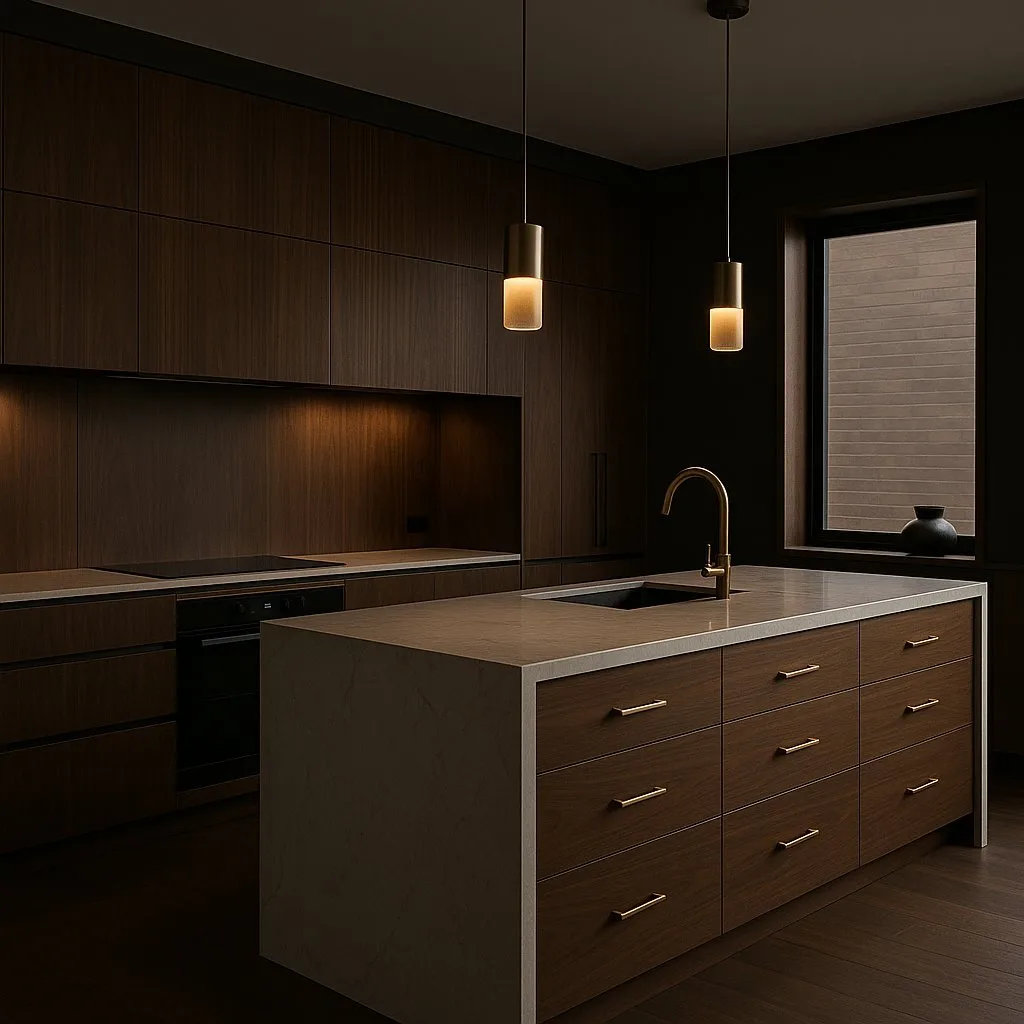
Weeks 5–13: Fabrication. The actual building of your kitchen takes 6–10 weeks depending on complexity. CNC machining handles the primary cuts; joinery, face frame assembly, and any hand-cut details take skilled craftspeople at the bench. More complex kitchens with inset construction, specialty veneers, or bespoke details take longer.
Weeks 13–16: Finishing. Spray finishing takes 2–4 weeks depending on the number of coats, drying times between coats, and the complexity of the color or stain. A painted kitchen with multiple coats of primer and topcoat requires as much time as a lacquered kitchen. Finishing is where most shops reveal their true quality level.
Weeks 16–18: Installation. A typical NYC kitchen install takes 3–7 days. Pre-war buildings with complex conditions, or kitchens with extensive paneling or architectural millwork, take longer. Schedule installation at least 2 weeks after your flooring and ceiling work is complete, and at least 2 weeks before your countertop template appointment.
What Delays Cost You
In an NYC renovation where multiple trades are sequenced — plumbing, electrical, HVAC, millwork, countertops — a delay in any one phase cascades into the others. A 2-week fabrication delay typically pushes your countertop template by 2 weeks, your countertop installation by 3–4 weeks, and your plumbing connection by 4–5 weeks. In a pre-war co-op with seasonal work restrictions, that 2-week delay could mean missing a window entirely and waiting until after summer.
The best mitigation strategy is to start the design phase early — as early as possible in your renovation planning process — so that the millwork is ordered before the GC begins work, and delivered on a schedule that works with the rest of the project.
How to Compress the Timeline
The most reliable way to accelerate a custom kitchen project is to make decisions quickly during the design phase. Every round of revision to shop drawings adds 1–2 weeks. Having your stone selection, appliance model numbers, hardware direction, and material preferences decided before the first design meeting can shorten the pre-production phase by 2–3 weeks. Start the conversation early — reach out here.