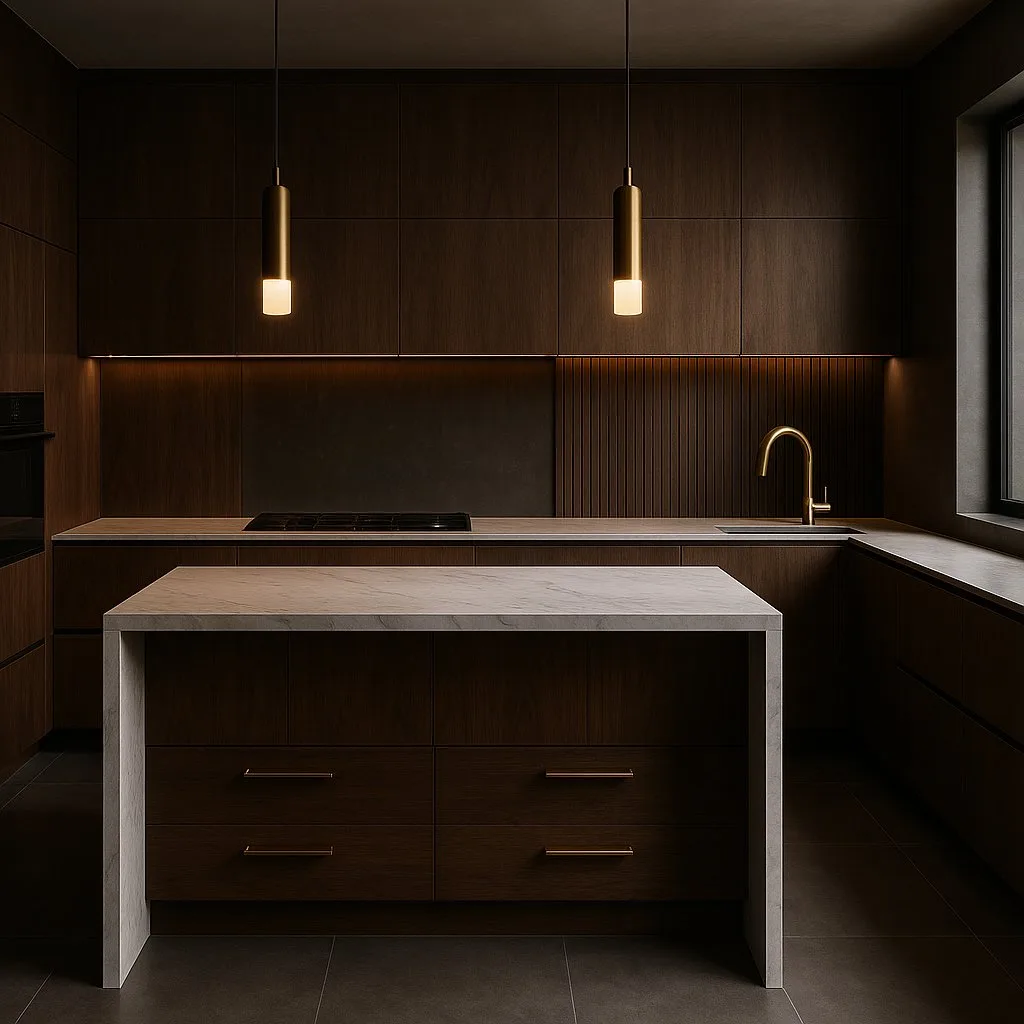
A coffered ceiling — a grid of recessed panels created by a system of intersecting beams — is one of the most dramatic architectural statements available in residential millwork. In pre-war NYC apartments with 9-foot or taller ceilings, coffering can transform a living room or dining room from a well-proportioned space into a genuinely distinguished one. The cost range is wide: $150–$600 per square foot installed, with most quality projects falling in the $200–$400 range.
What Makes a Coffered Ceiling Expensive?
Coffered ceilings are labor-intensive in both fabrication and installation. The beams must be built as hollow boxes (to avoid adding excessive structural load to the ceiling), precisely miter-cut at intersections, leveled across the span of the room, and finished in place — often requiring multiple finish coats applied from scaffolding or lifts.
The complexity of the grid — how many coffered panels, what size, what depth, and what profile — directly drives the cost. A simple 3×3 grid of 9 panels in a square room costs significantly less than a complex 5×4 grid of 20 panels with deep beams and detailed profiles.
Cost Per Square Foot by Type
| Type | Depth | Price per SF |
|---|---|---|
| Shallow simple grid | 3"–4" | $150–$250 |
| Standard coffered ceiling | 5"–7" | $250–$400 |
| Deep beam with profiles | 8"–12" | $350–$600 |
| Octagonal / complex geometry | Variable | $400–$700+ |
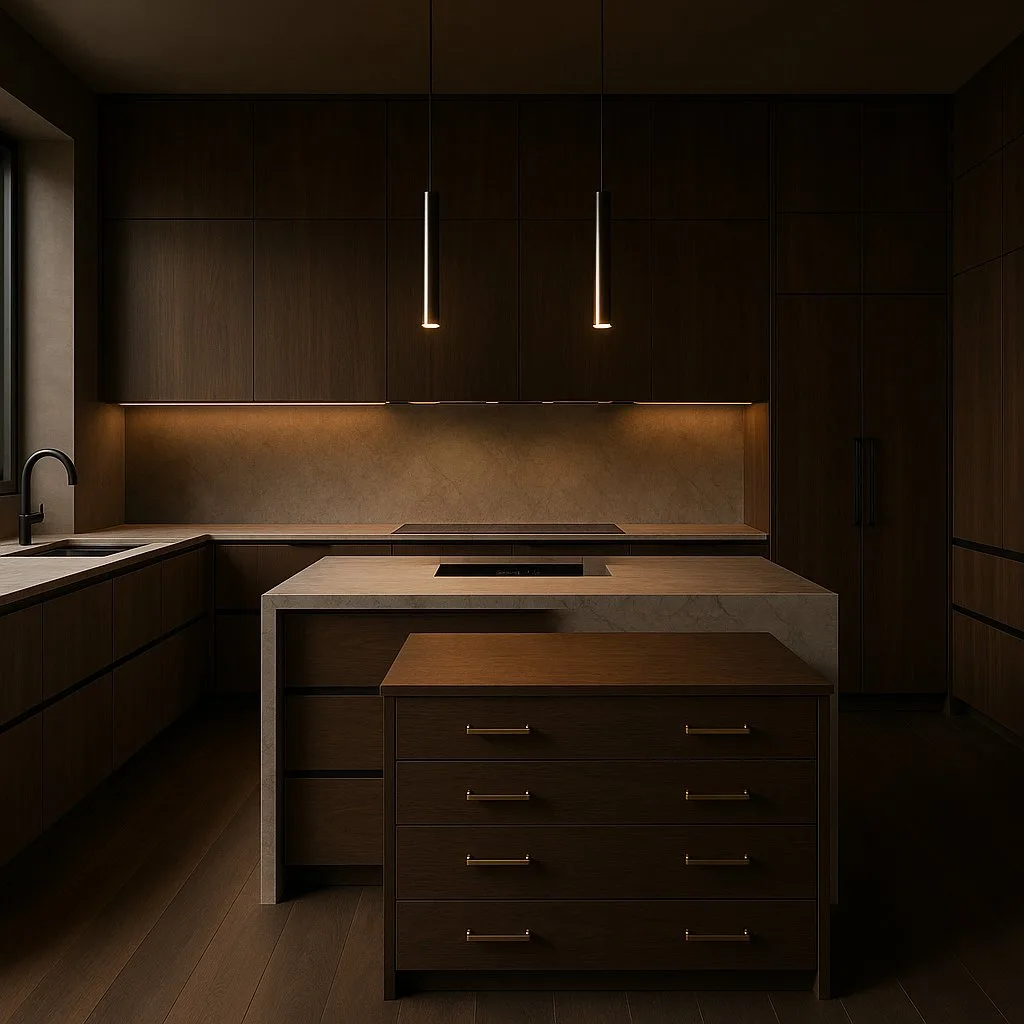
Shallow vs. Deep Coffering
Depth is the single most impactful variable in coffered ceiling design. Shallow coffering (3"–5" deep) creates a subtle grid pattern that adds architectural interest without significantly affecting the perception of ceiling height. This is the right choice for rooms with 8.5-foot ceilings where headroom is already limited.
Deep coffering (8"–12" deep) creates a dramatically different room. The coffered panels recede visually while the beams advance, creating a three-dimensional quality that reads from across the room. This requires at least 10-foot ceilings to execute correctly — in a 9-foot room, deep coffering feels oppressive.
Painted vs. Stained Wood Coffered Ceilings
The majority of coffered ceilings in NYC are painted — in white or a contrasting color from the wall. White coffering reads as clean and formal; a contrasting color in a darker hue (charcoal, navy, deep green) creates a more dramatic, enveloping effect that has become fashionable in contemporary luxury interiors.
Natural wood coffering in oak or walnut is less common but creates an entirely different character — warmer, more reminiscent of craftsman or traditional English country house design. In the right interior, wood coffering is exceptional. The cost premium over painted work is approximately 30–50% due to material cost and the higher level of finish work required.
Structural Considerations in NYC Buildings
In concrete-frame buildings (common in post-war NYC construction), attaching millwork to the ceiling requires anchoring into the concrete slab — which requires specific fasteners and coordination with the building's structural requirements. In some co-ops, ceiling penetrations require board approval or engineer sign-off.
In wood-frame pre-war buildings, coffering can typically be attached to existing ceiling joists with standard fasteners. The complexity is more about leveling across an uneven ceiling surface than structural attachment. Discuss your ceiling project with us.